Ruaha wildlife at a glance
Ruaha National Park covers 20,226 square kilometres of miombo woodland, baobab savanna, rocky kopjes and seasonal rivers. It sits where the East African and southern African ecoregions meet, and that mix shows in the animals. The greater kudu and the lesser kudu both live here, and sable and roan antelope share the miombo.
The park is also home to lions, elephants, leopards, buffalo, hippos and crocodiles, and its wandering wild dog packs and cheetahs are well known. Being present does not mean being seen. This page helps you decide what to look for. To see the animals in the field, a guided Ruaha safari is the usual way.
Our pick: four days in Ruaha
Four days leave time for the kudu, antelope and elephants the park is known for, with park and ranger fees covered.
Hand-picked tours, booked through Viator. Prices are indicative starting prices in US dollars (as of October 2026). Tap a tour for live availability and the current price in your currency.
Ruaha wildlife safaris and tours
Game drives and walking safaris in Ruaha, with live prices and availability.
Greater kudu and the antelopes
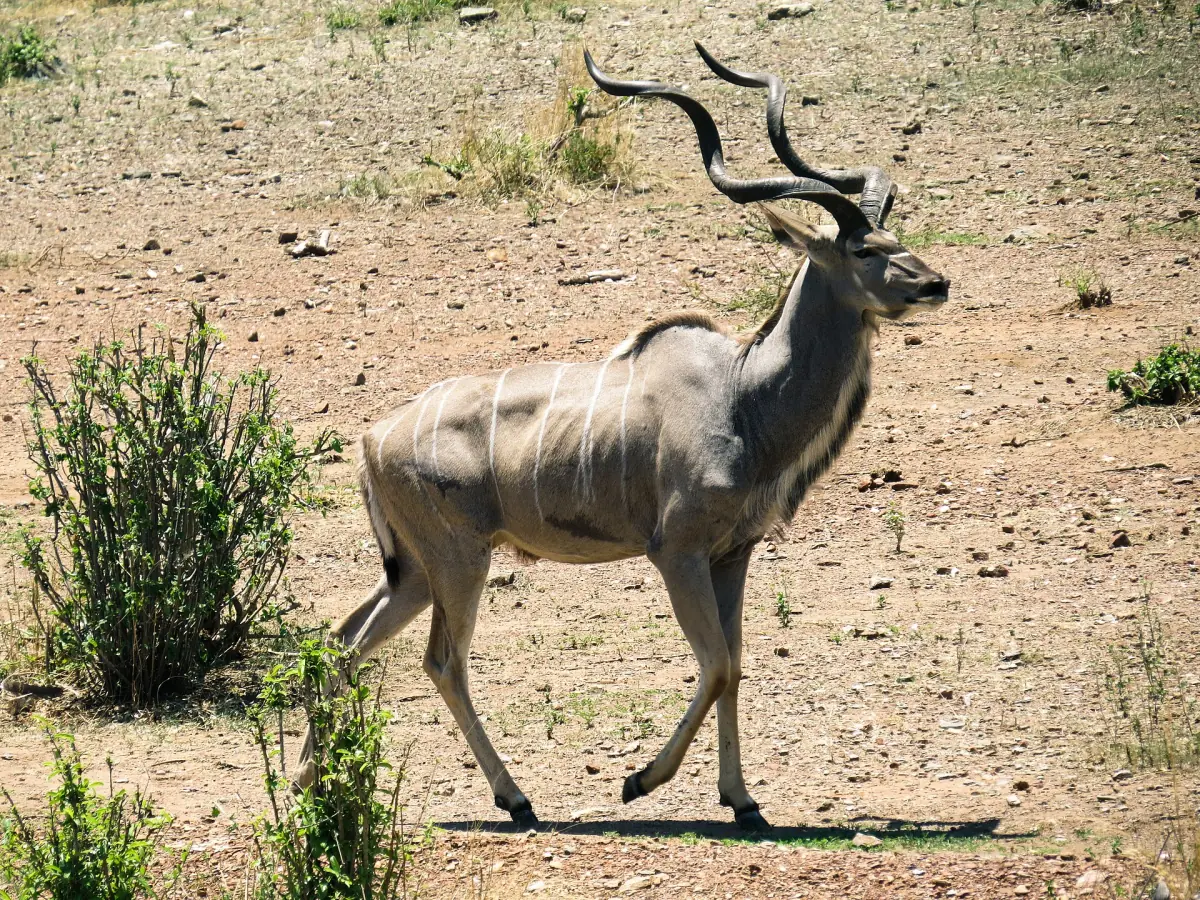
The big spiral horns of the greater kudu are the most familiar sign of the miombo.
Greater kudu
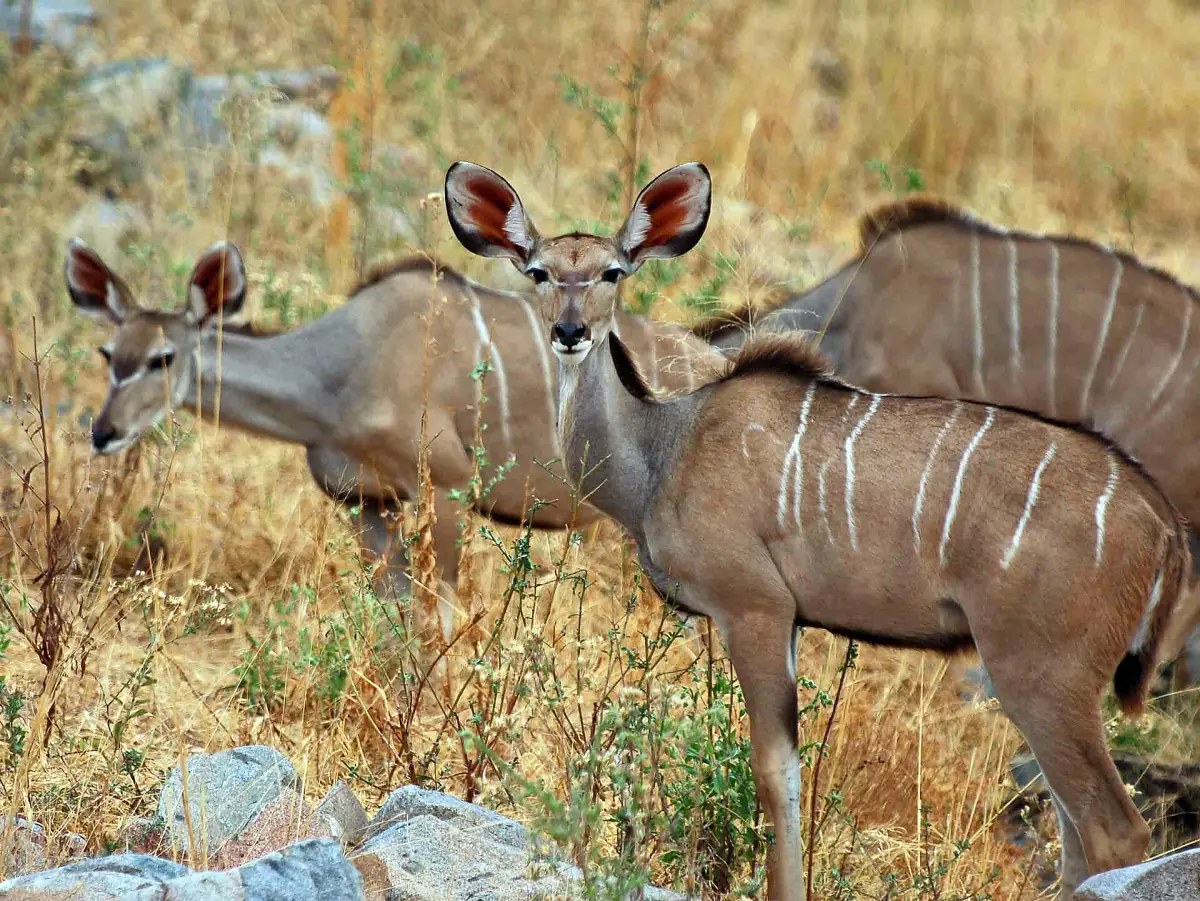
The greater kudu lives in the park. Bulls carry the long spiral horns, and the cows are marked with white stripes.
Lesser kudu
The lesser kudu lives here too, and Ruaha is the southern limit of its range. It is not found only here, so do not treat it as a species that exists nowhere else.
Sable antelope
Sable antelope and roan antelope live in the miombo. Neither can be promised.
Predators and wild dogs
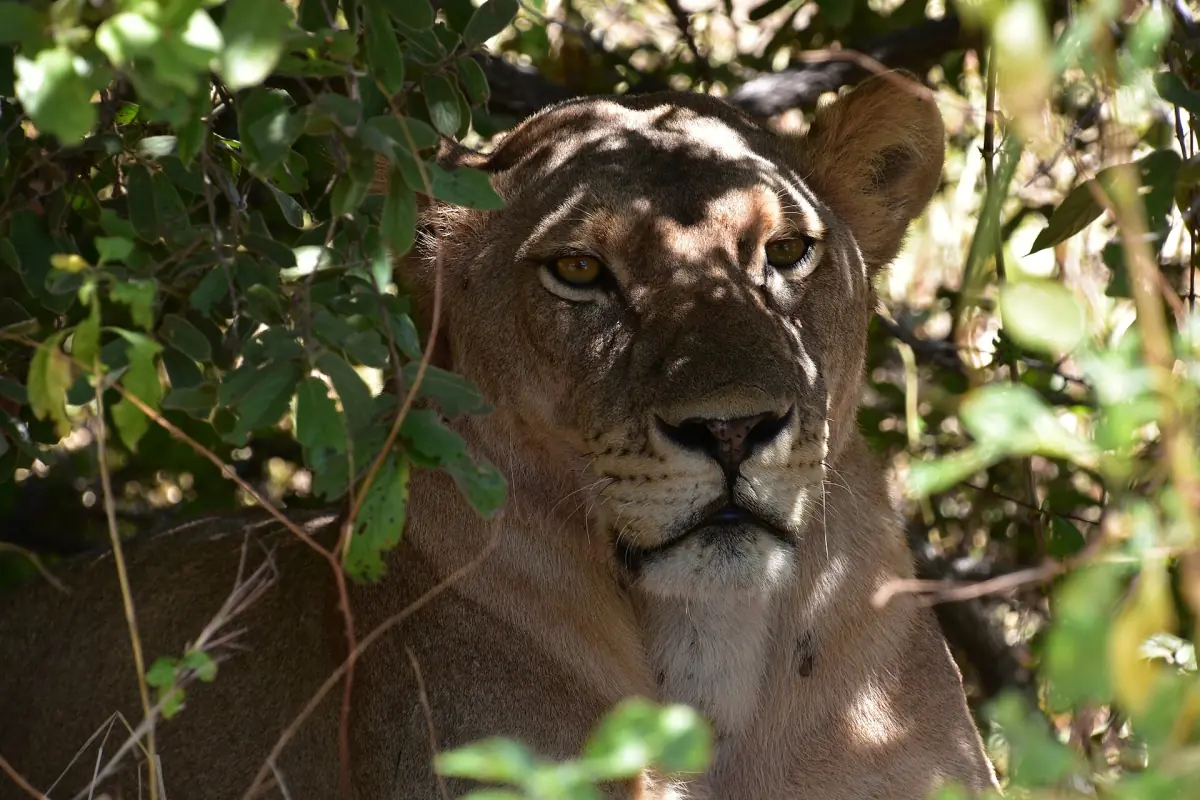
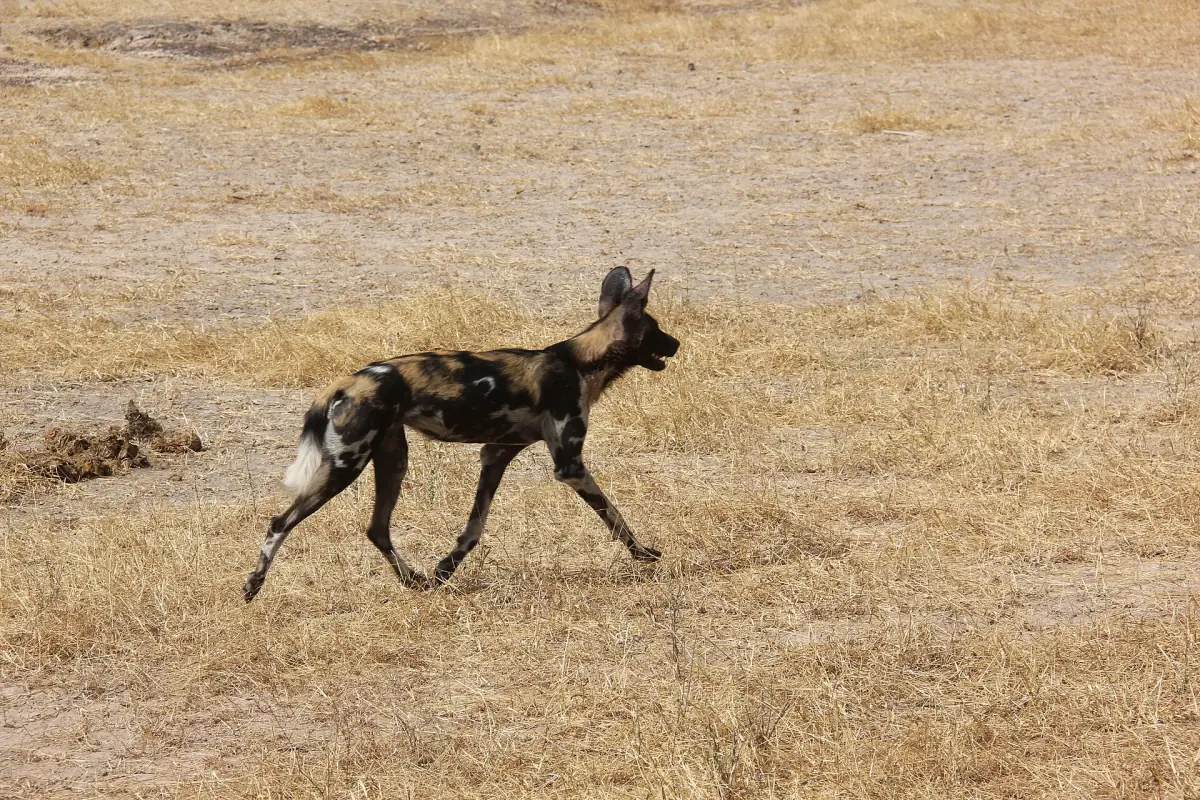
Lions, leopards, cheetahs and wild dogs all live in the landscape.
The park has large lion prides, and predators are usually watched in the morning and evening near the river courses. The page on the lions of Ruaha goes through the prides. Leopards and cheetahs are also named. African wild dogs roam in packs that move widely, especially in remote sectors, so there is no spot where you can count on finding them on a given day. The wild dogs page explains the research and the habitat.
The wider Ruaha-Rungwa landscape is recognised as important for wild dogs, lions and cheetahs. That landscape is larger than the national park, so figures for the landscape should not be read as figures for the park.
Ruaha elephants, hippos and crocodiles
Counts exist for the wider ecosystem, not for the park alone.
A 2015 count for the Ruaha-Rungwa ecosystem gave 20,090 elephants (plus or minus 3,282) in 2013 and 8,272 (plus or minus 1,652) in 2014. A verification count in 2015 gave 15,836 (plus or minus 4,759). Counts can miss elephants when they move, change behaviour or bunch together, so the drop between years should not be read as animals killed. These numbers are old and describe the ecosystem, not the park alone, so they give no current figure. For elephants and baobabs as a focus, the Tarangire elephants guide covers a park that is known for them.
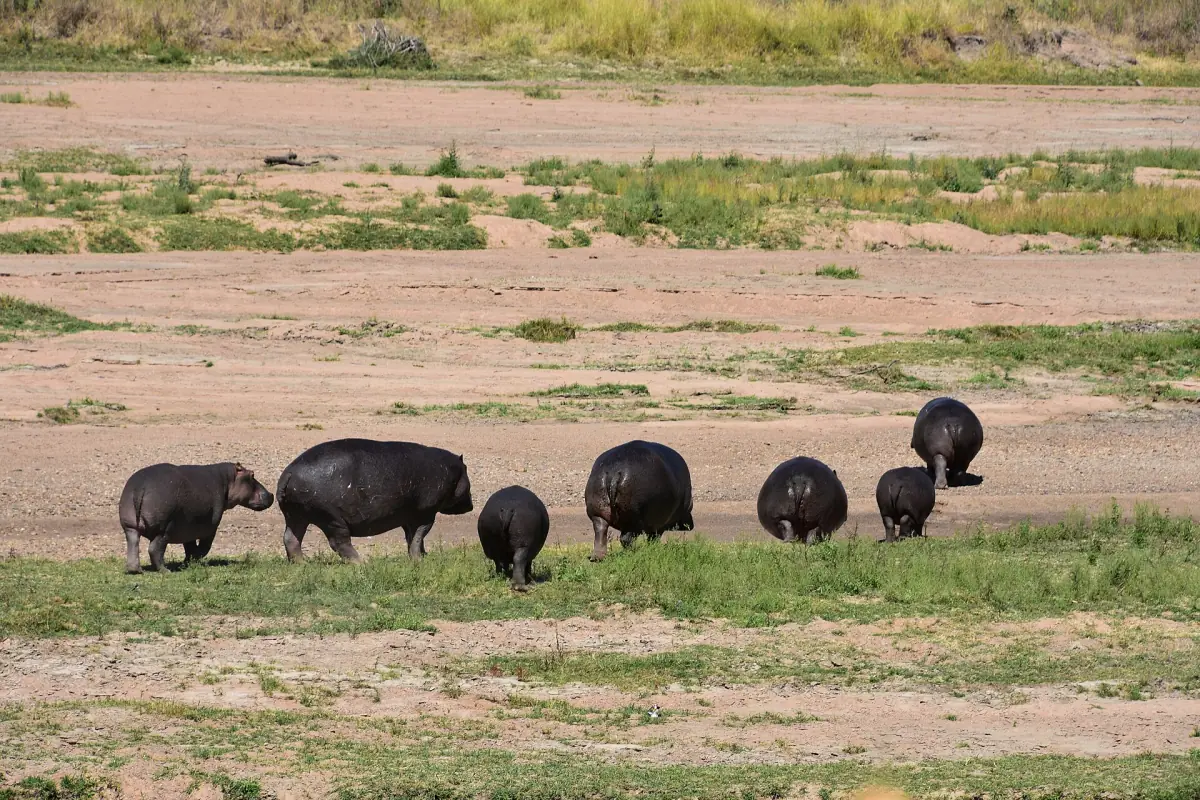
Hippos and crocodiles live along the water. In the dry season, pools and sand river seeps are important for many animals. The Great Ruaha River page explains where the water goes.
Birds and what not to expect
The bird list is long. The big-game list has gaps.
More than 570 bird species are recorded in the park; treat that as a rough figure rather than an exact count. Do not plan around a rhino sighting, and do not expect every one of the Big Five. For current numbers of lions, elephants or wild dogs, ask your guide or operator.
Keep to the rules. Stay inside the vehicle except at approved places, keep your distance, never feed animals and follow your guide. For walking, see the walking safari page.
Where the animals live
Four habitats shape the park.
Miombo woodland
Home of the sable and roan antelope.
Baobab savanna
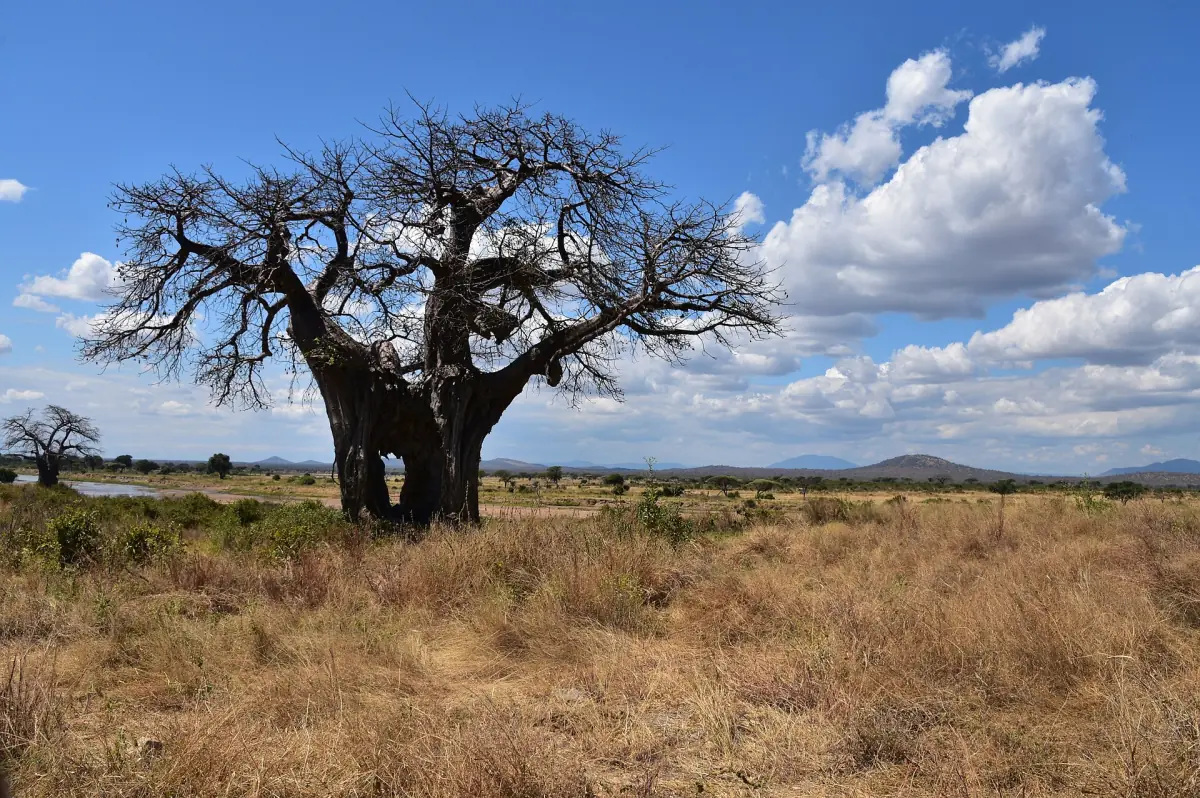
Open country with large baobab trees, not an even stretch of grassland.
Rocky kopjes
Rock outcrops that break up the landscape and give you views over it.
Seasonal rivers
Water moves animals. In the dry season, sand river seeps and the last pools matter most.
Because water shapes where animals go, the dry season is when many people plan their trip. The weather page covers the seasons, and the lodges and camps page covers where you stay.
Ruaha wildlife: frequently asked questions
Which animals live in Ruaha?
The park is home to greater and lesser kudu, sable and roan antelope, lions, elephants, leopards, cheetahs, buffalo, hippos and crocodiles, and wandering wild dog packs. Presence is not a sighting guarantee.
Is the lesser kudu found only in Ruaha?
No. Ruaha is the southern edge of its range, and the lesser kudu lives alongside the greater kudu here.
How many elephants live in Ruaha?
There is no current count for the park alone. A ministry count covered the wider Ruaha-Rungwa ecosystem, and the numbers swung widely between years because counting is hard.
Can I see rhinos in Ruaha?
Do not plan on it. Rhinos are not among the park's known animals.
Is this the official Ruaha website?
No. This is an independent guide, not run by Tanzania National Parks or by any operator, airline or lodge.