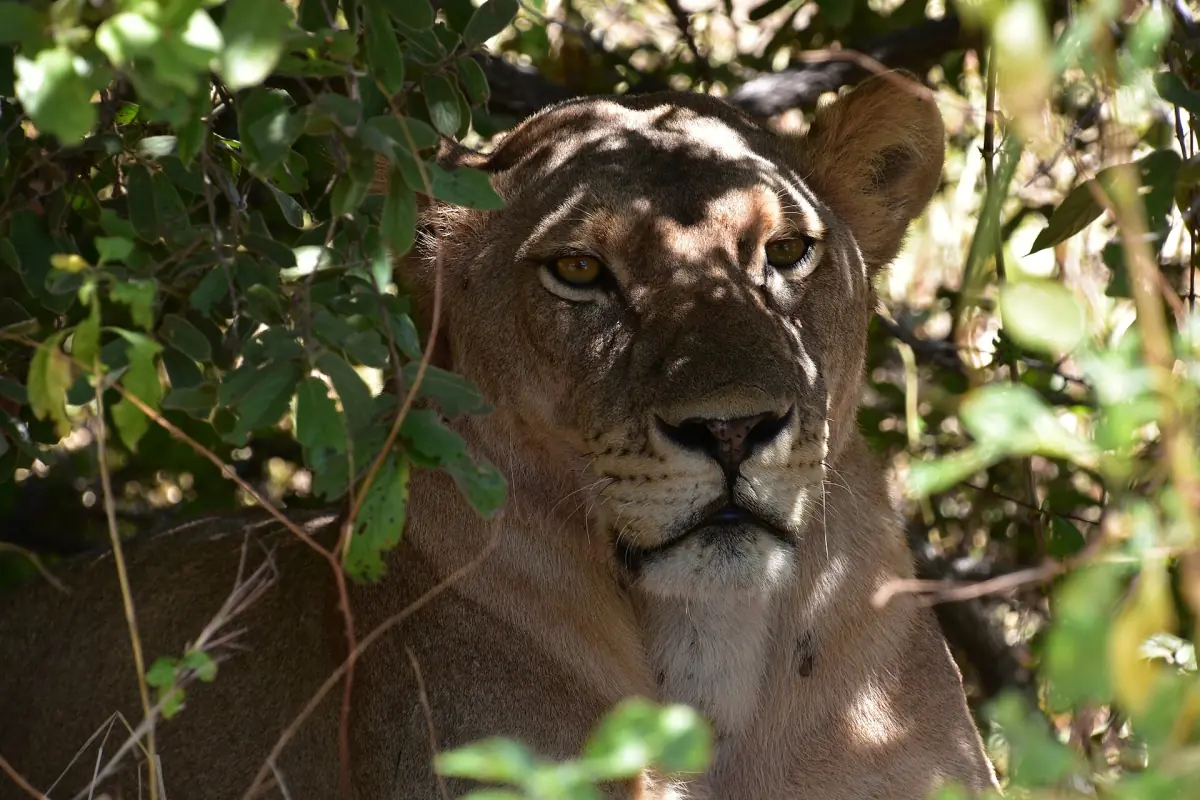
Ruaha lions at a glance
Ruaha has large prides of lions, and lions are the animal most visitors have in mind when they plan a trip here. There is no standard pride size, and nobody can promise a particular sighting. Plan for good chances over several drives rather than for one guaranteed encounter.
Lions are also part of a much larger picture. The Ruaha-Rungwa landscape covers more than 50,000 km², and the national park, with its 20,226 km², lies at its core. Conservation groups count this landscape among the large remaining lion landscapes. When you read a lion figure for Ruaha, check whether it describes the park or this wider area.
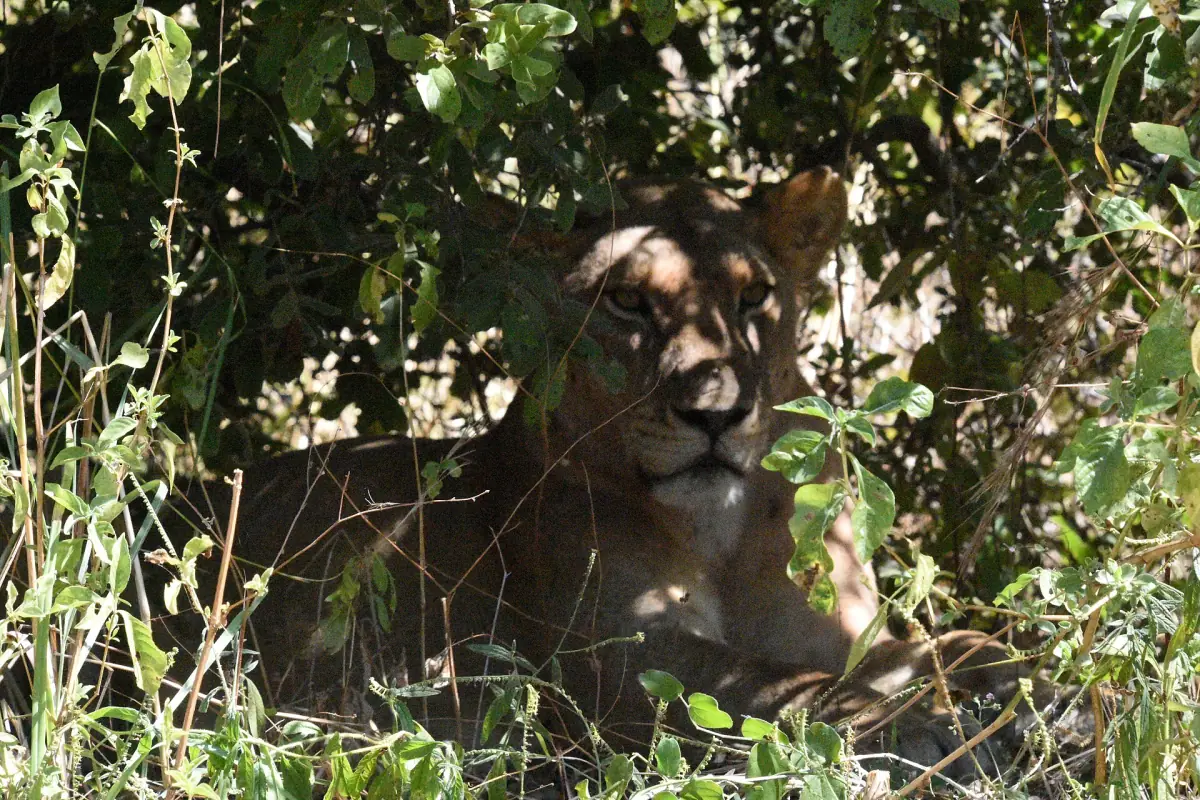
Where to look for lions in Ruaha
There is no single spot, and a guide who knows the current movements is worth more than any fixed map. The pattern is clear: predators are watched in the morning and the evening near watercourses. The Great Ruaha River and its tributaries are the obvious places to start.
Water decides a lot. In the dry season many animals depend on pools that remain and on seepage points in sand rivers, so the animals, and the lions that follow them, gather around those places. Many visitors come between June and October, which is also the period when accommodation fills first. See the Great Ruaha River page and the weather and best time page for the seasons.
Most lion watching is done on a game drive in a 4×4. Walking safaris are guided by a ranger and follow the park rules, and they are not a way to approach big cats. Book them through a licensed operator; the walking safari page has the details. A trip that combines drives with a stay of two or three nights gives you more chances than a single day.
Our pick: a Ruaha predator safari
This photography trip is built around the predators, though lion sightings can never be promised.
Hand-picked tours, booked through GetYourGuide. Prices are indicative starting prices in US dollars (as of October 2026). Tap a tour for live availability and the current price in your currency.
Ruaha lion safaris and tours
Guided safaris in Ruaha and southern Tanzania with live prices and availability. Look at the length of the trip and what the price includes before you compare.
How Ruaha lions are counted
What is known, and what is still open.
Camera traps and track surveys
Camera traps and track surveys are used to study the large carnivores of southern Tanzania and the effects of people on their numbers. More surveys are needed.
Earlier estimates were rough
Earlier extrapolations for the region were partly based on expert opinion. They are a reason for care, not a number to quote.
A signal from one area
A repeat survey in 2022 in the MBOMIPA area, part of the wider landscape, pointed to a possible local decline. It describes that area and should not be applied to the whole park.
Ecosystem, not park
Lion and elephant figures for Ruaha-Rungwa describe a landscape larger than the park. Do not read them as a head count inside the park boundary.
For you as a visitor, the practical message is simple: there is no fixed number to expect, and a well-run safari does not promise one.
Lions and people around the park
Ruaha does not end at a fence in the landscape. Villages lie on its edge, including to the southeast, and people keep livestock there. A conservation project works with communities in that area on protecting livestock and reducing conflict. Livestock losses and retaliatory killings of lions are among the problems conservation work addresses. They are real problems, but they are not a basis for sweeping judgements about the people who live there.
You can support the protection of lions in simple ways: use a licensed operator, pay the park fees that fund the park (see Ruaha park fees), follow the rules and keep your distance from the animals. Leave the vehicle only at places where it is allowed, follow the instructions of your guide or ranger, and never feed or disturb animals. Night drives and drones need a special permit.
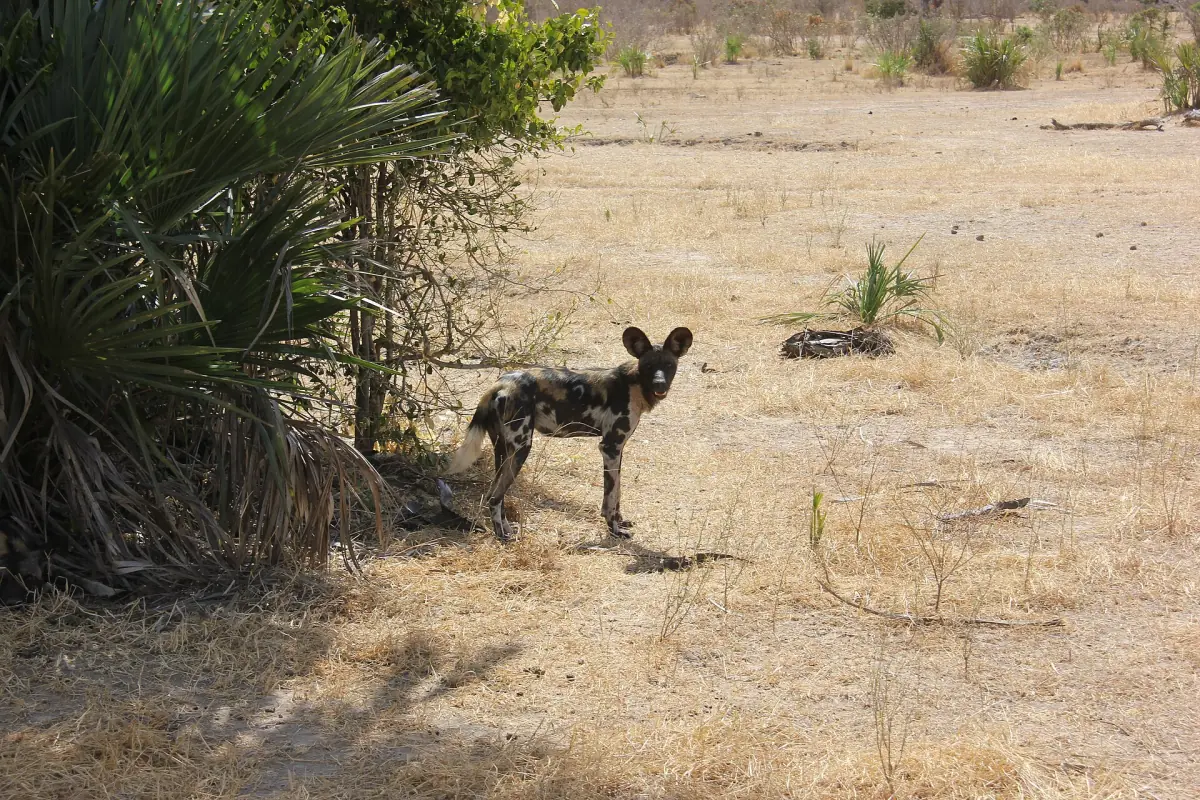
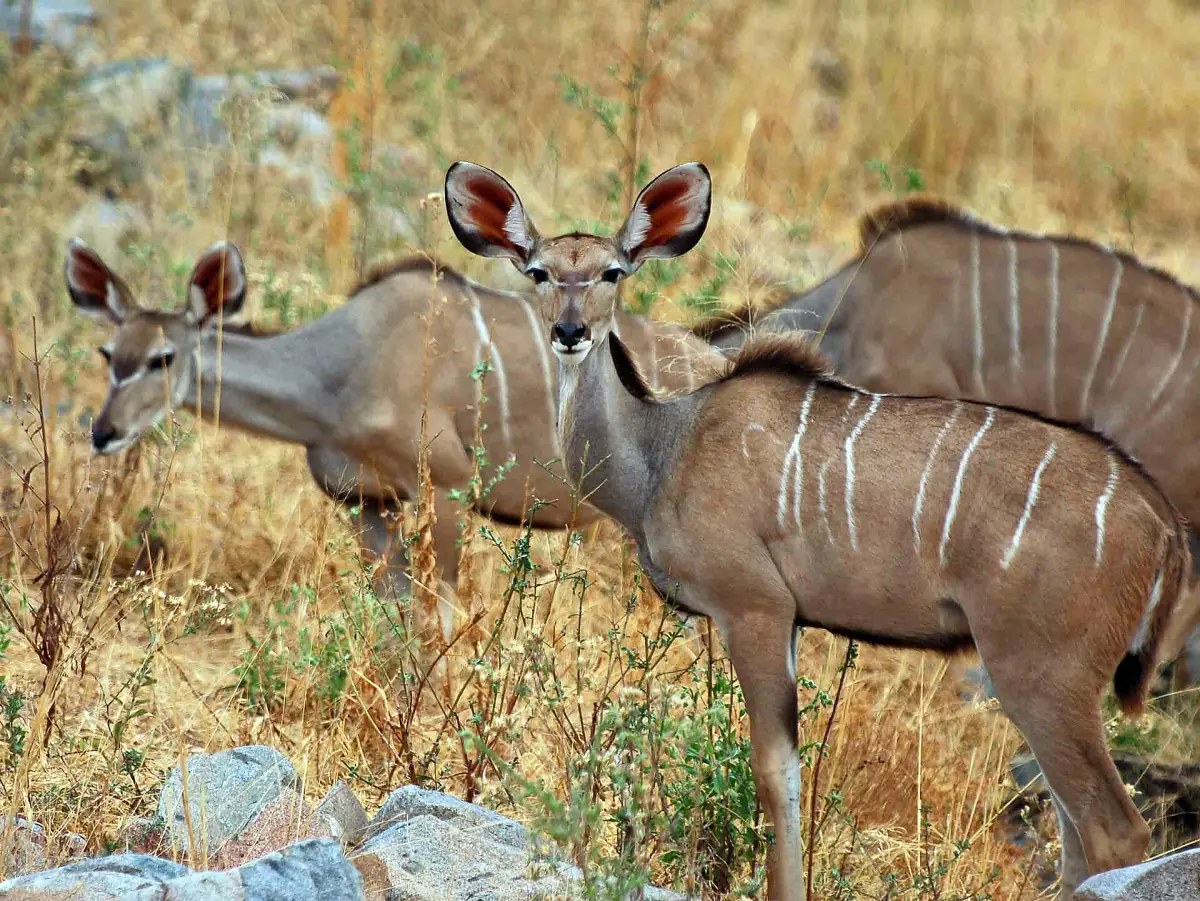
More about Ruaha wildlife
Other animals and pages that go with the lions.
Ruaha lions: frequently asked questions
How many lions live in Ruaha?
There is no reliable count for the park alone. The Ruaha-Rungwa landscape covers more than 50,000 km² and is counted among the large remaining lion landscapes, but that is a landscape, not the national park.
Will I see lions on a Ruaha safari?
You have good chances, but no one can guarantee it. Large prides live in the park, and morning and evening drives near watercourses are the usual approach. Several drives raise your chances.
Where do I look for Ruaha lions?
Near rivers and the water points that remain in the dry season, at the start and end of the day. Your guide's current knowledge matters more than a fixed list of places.
When is the best time for lions?
Many visitors come from June to October, the dry season, when animals gather near the remaining water. The rainy season runs from late November to May. See weather and best time.
Can I walk near lions in Ruaha?
No. Walking safaris are guided by a ranger and follow the park rules, which include staying on allowed paths and keeping your distance from animals. They are not about approaching lions.
Are Ruaha lions in danger?
More monitoring is needed, and a repeat survey in one area in 2022 pointed to a possible local decline. Conservation groups also work on conflict between people and predators on the park edge.