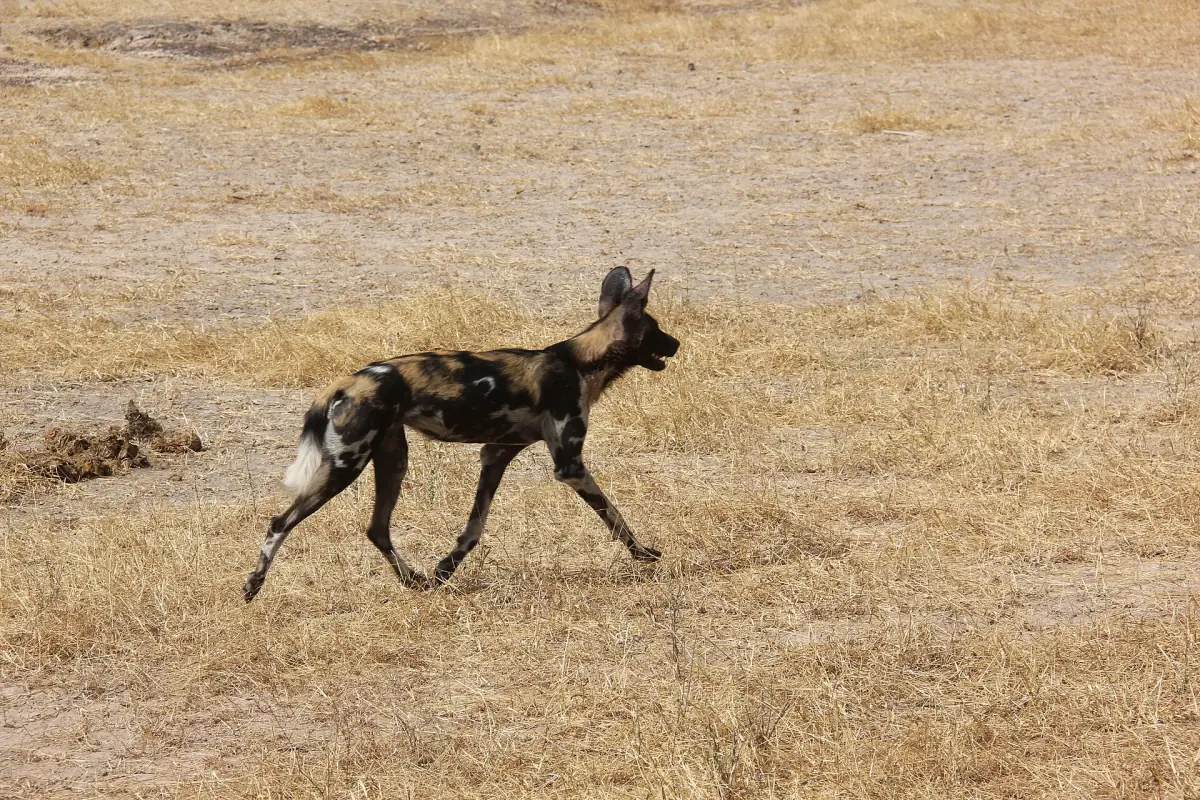
Wild dogs in Ruaha at a glance
African wild dogs are among the animals of Ruaha. The packs range over large areas, especially in the remote sectors of the park, and they are not tied to one spot you can drive to every day. That is the first thing to understand when you plan: wild dogs are a possibility on a Ruaha safari, not a feature you can book.
Ruaha-Rungwa is a landscape of global importance for African wild dogs, together with lions and cheetahs. The significance lies in the size of the area. Large, connected habitat gives wandering packs room to move between hunting grounds, and it is the reason researchers follow the carnivores of this region closely.
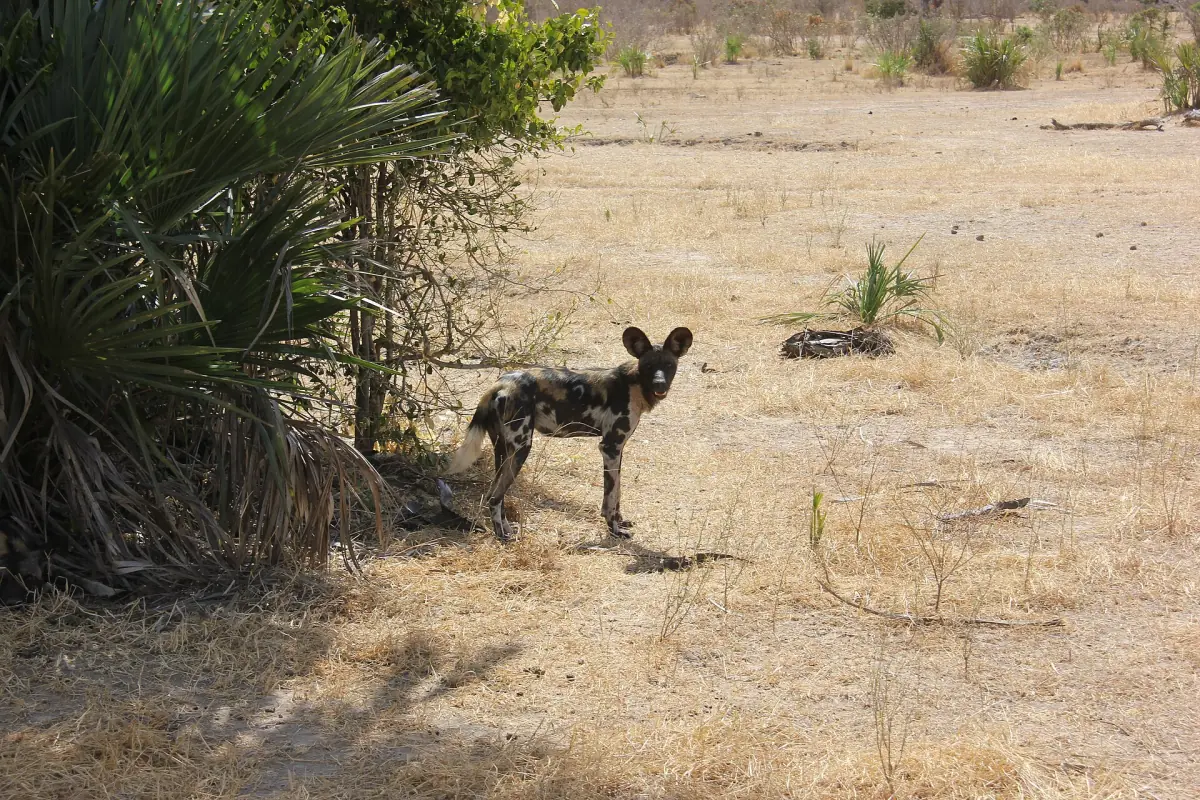
Where wild dogs live in Ruaha
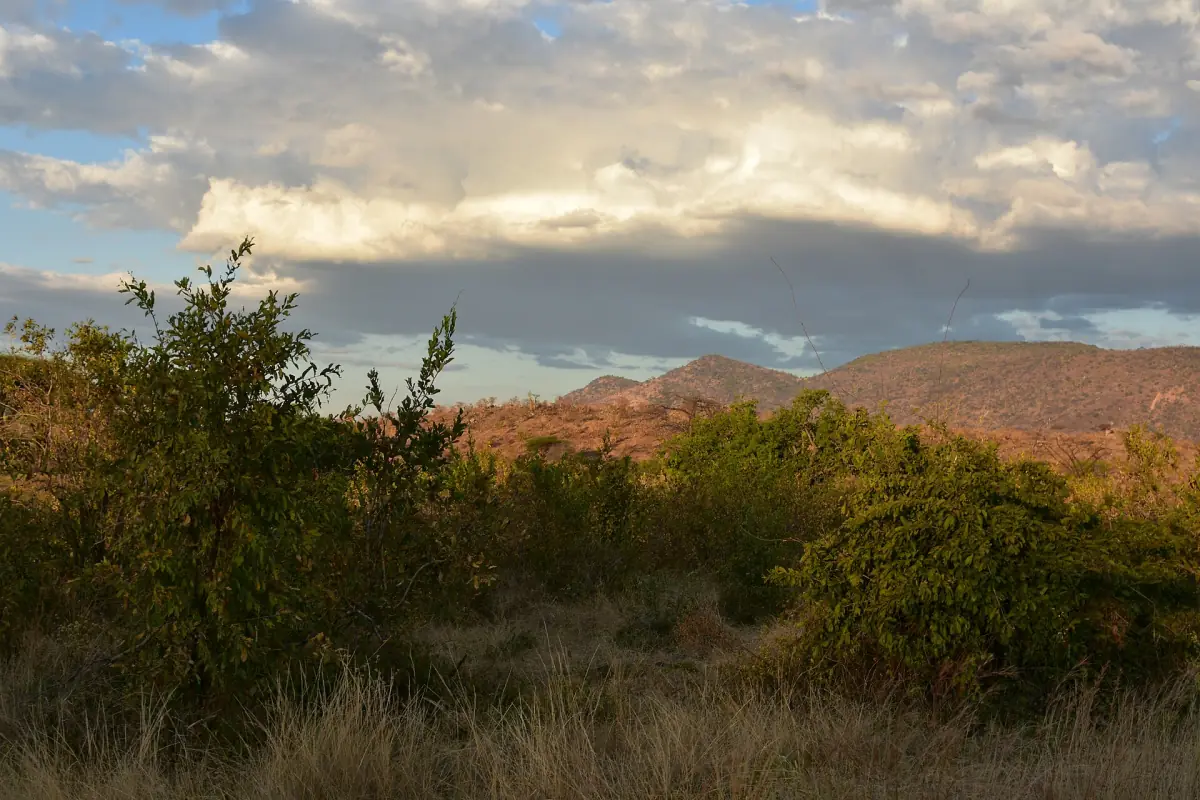
The park mixes miombo woodland, baobab savanna, rocky kopjes and seasonal rivers, and wild dogs use this mosaic. They do not stay within a small home range. When packs move through a remote sector, the most useful information is current: your guide's recent knowledge and what other vehicles have seen in the past days.
Water still shapes the pattern, as it does for all animals here. In the dry season the remaining pools and seepage points in sand rivers draw animals together, and predators follow. The Great Ruaha River page explains why the river matters so much. Predators are watched in the morning and the evening near watercourses, and that is also a sensible time to look for dogs.
If wild dogs are the main reason for your trip, build in time. Several nights in the park give you more drives and more chances than one day trip, and a flexible plan lets your guide go where the news is. For fly-in and road options, see the Ruaha tours page.
Our pick: a wild dog safari with Kitulo
This trip is named for the wild dogs and spends two days on game drives in Ruaha, though sightings are never guaranteed.
Hand-picked tours, booked through GetYourGuide. Prices are indicative starting prices in US dollars (as of October 2026). Tap a tour for live availability and the current price in your currency.
Ruaha safaris with a chance of wild dogs
Guided safaris in Ruaha and southern Tanzania with live prices and availability. Longer trips give you more game drives, so compare the number of days and what is included.
Research and conservation of Ruaha wild dogs
Why the region is watched closely.
Carnivore monitoring
Researchers monitor the large carnivores of southern Tanzania, including how people affect their numbers. This is a research task, and it is separate from what you will see on a particular trip.
Packs on the move
Because packs wander, counts are hard, and a figure from one year says little about the next. Treat any pack count for a given year with care.
Shared landscape
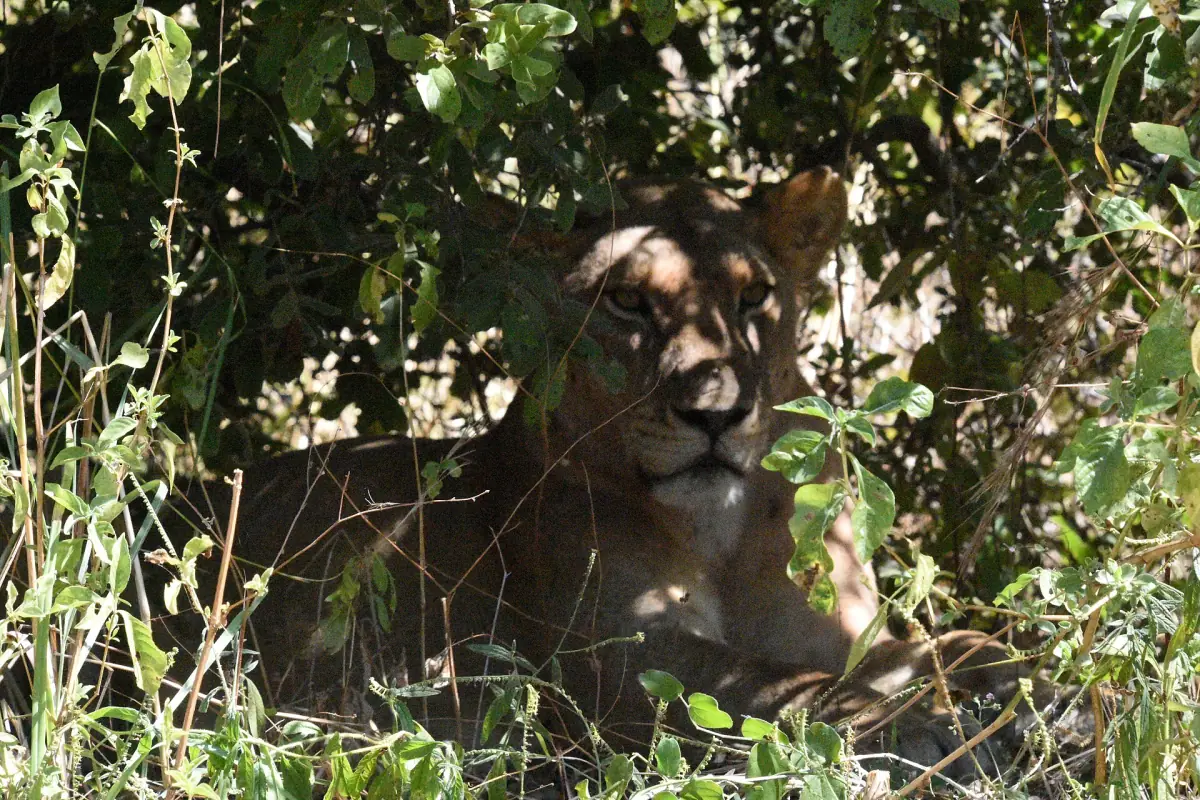
Wild dogs, lions and cheetahs all use the wider Ruaha-Rungwa landscape. Protecting one means keeping habitat connected for all.
People at the edge
Conservation work around the park deals with livestock and conflict between people and predators. The lions page covers that in more detail.
No den site and no calendar for pups or sightings holds across all years, so be wary of anyone who sells either as a certainty.
How to behave around wild dogs
The park rules apply when you meet any animal. Leave the vehicle only at places where it is allowed, keep your distance, follow the instructions of your guide or ranger and never feed or disturb animals. If a pack is resting or on the move, let it decide and do not press for a closer view.
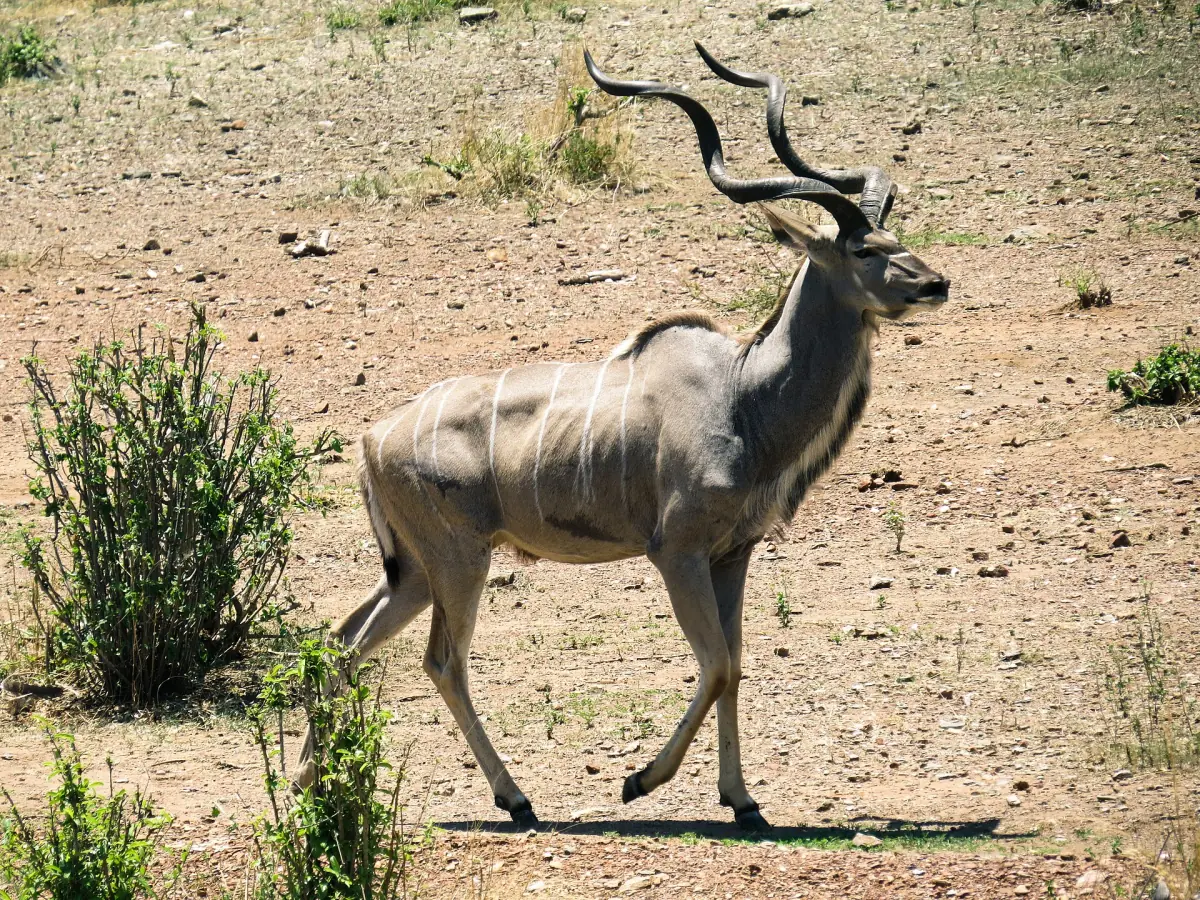
Night drives and drones need a special permit and are not something to do yourself. Walking safaris are guided by a ranger and follow the park rules. See the walking safari page for what that means in practice. If you want to know what else you may see on the same drive, the wildlife page covers kudu, antelope and the other animals of the park.
Park fees apply to every visit, and the figures depend on the tariff in force. You can read how they add up on the Ruaha park fees page.
More Ruaha wildlife
Other animals and pages that go with the wild dogs.
Ruaha wild dogs: frequently asked questions
Can I be sure to see wild dogs in Ruaha?
No. Packs wander widely, especially in the remote sectors. Treat a sighting as a bonus, and plan enough days and drives to give yourself a chance.
Where in Ruaha do wild dogs live?
They range over large areas of the park, including remote sectors, and across the wider Ruaha-Rungwa landscape. There is no daily reliable viewing spot, so ask your guide about the latest news.
When is the best time to look for wild dogs?
Predators are watched in the morning and evening near watercourses. In the dry season, remaining pools and seepage points concentrate animals. No calendar applies across all years, so do not book around a promised date.
How many wild dogs are there in Ruaha?
The region is important for the species and is watched by researchers, but no reliable current figure exists for a trip, because packs move, and a number from one year says little about the next.
Is it better to go by car or on foot?
Game drives in a 4×4 are the main way to cover the distance. Walking safaris are guided by a ranger and follow the park rules, and they are arranged in advance through a licensed operator.