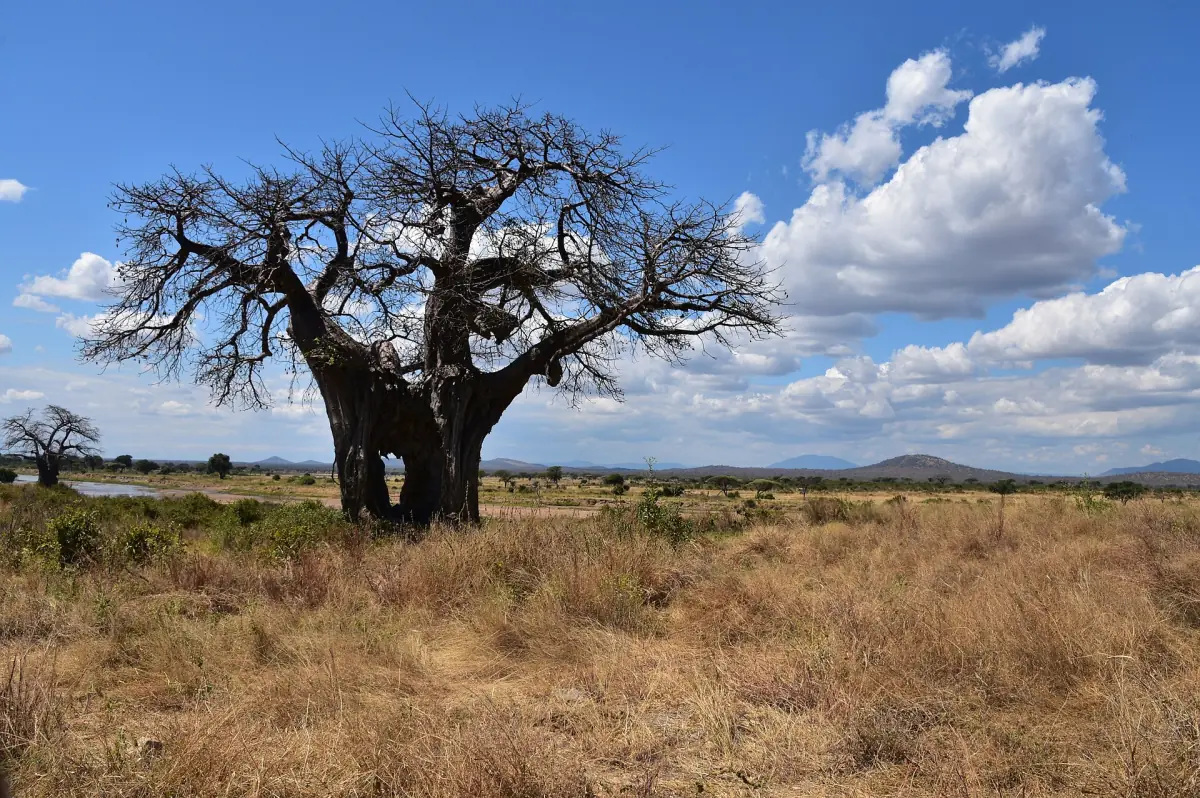
Ruaha history at a glance
The land that is now Ruaha National Park was first protected under German rule. The Saba Game Reserve dates from 1910. Under British administration the reserve was extended and renamed in 1946, and in 1964 the southern part of that reserve became the national park. A southeastern addition followed in 1974, and the Usangu wetlands were added in 2008.
These dates describe the historical sequence, not the situation today. For the current area, rules and fees, use the other pages of this guide. The park covers 20,226 km² and is one of the largest national parks in Tanzania.
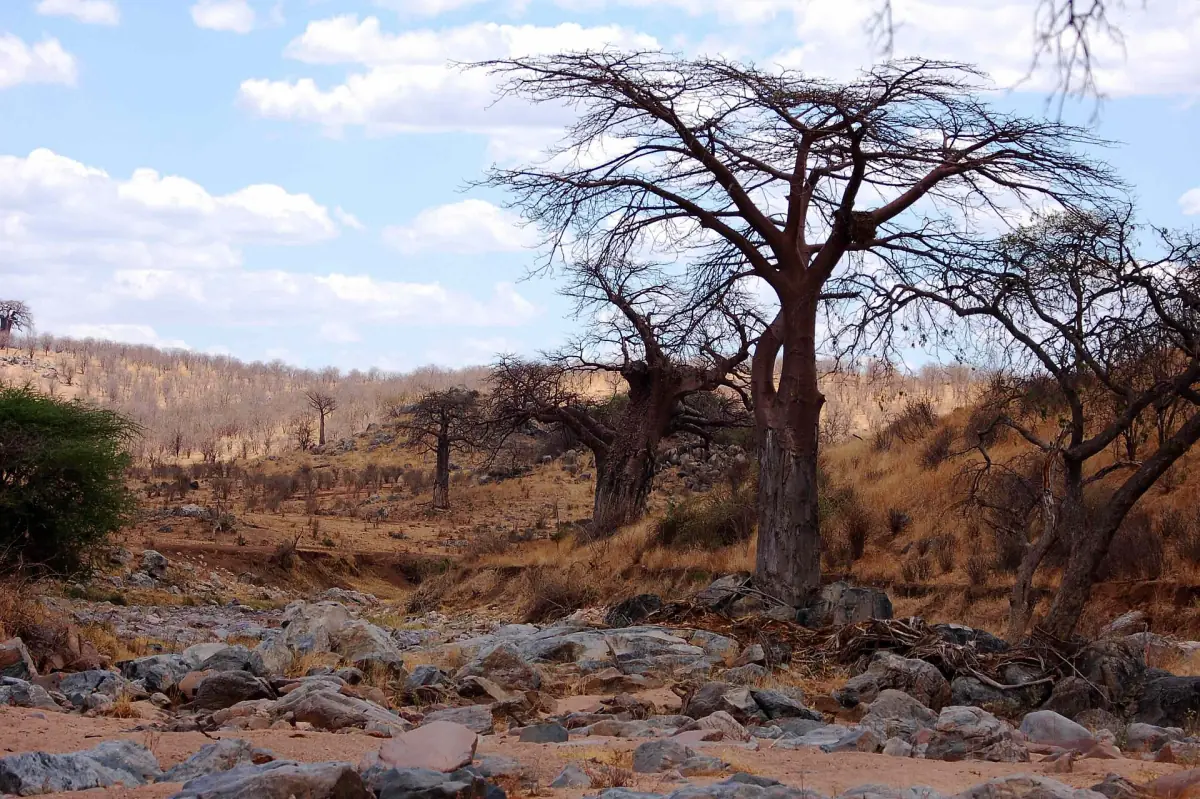
Ruaha timeline
From game reserve to national park.
1910: Saba Game Reserve
The first protected area in the region is created under German colonial rule and carries the name Saba.
1946: extended and renamed
The British administration extends the reserve and gives it a new name.
1964: national park
The southern part of the reserve is turned into Ruaha National Park, with the Great Ruaha River as its main water line.
1974: southeastern addition
The park is enlarged toward the southeast.
2008: Usangu wetlands
The Usangu wetlands are added to the protected area. They lie upstream on the river system, which links them to the story of the Great Ruaha River.
Ruaha safaris and tours
Guided safaris in Ruaha and southern Tanzania with live prices and availability. Check what each price covers, in particular park fees and transfers.
Where the name Ruaha comes from
The name is usually explained as coming from the Hehe word Ruvaha, which means river. That fits the park well. The Great Ruaha River is the defining feature of the landscape, and it gives the park its water in the dry season. The Hehe are the people of the Iringa region, and the Iringa page describes the Mkwawa Museum at Kalenga, which remembers Hehe leadership and resistance to German colonial rule.
The park itself has carried the name Ruaha since 1964.
Usangu and the Great Ruaha River
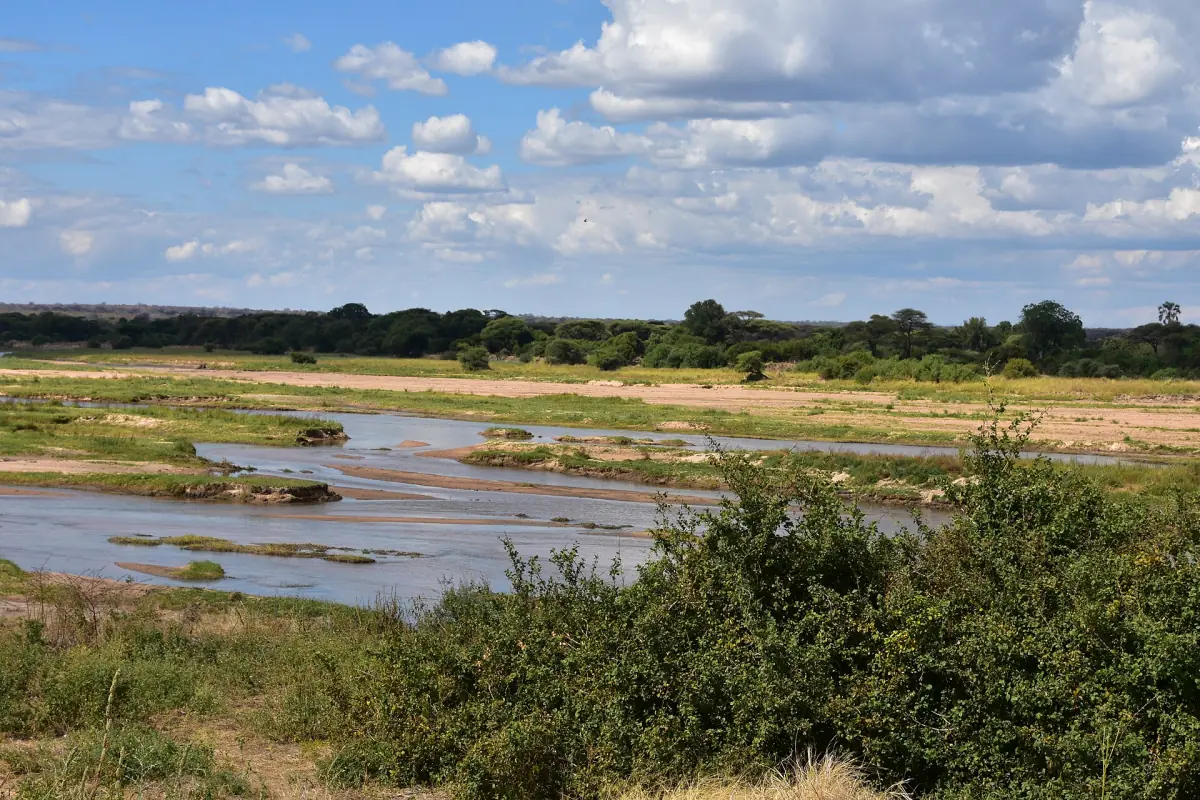
Usangu is the wetland and catchment area upstream of the park, and its water use explains much of the modern history of the river. In December 1993 the Great Ruaha River stopped flowing for about a month along a stretch of roughly 75 km between Ihefu and Mtera. The river did not dry up everywhere, and it is not a permanently dry river. It showed how sensitive the flow is to what happens upstream.
Irrigation in Usangu, above the park, and the Mtera and Kidatu hydropower stations further downstream both depend on the same water. How it is managed and shared upstream affects what arrives downstream, in the park and beyond. Water use upstream is linked to the dry spells, though the full picture is more complex than one cause. The addition of the Usangu wetlands to the protected area in 2008 belongs to this story.
For what this means for a visit today, see the Great Ruaha River page. In the dry season water becomes the central fact of a Ruaha safari, and it shapes where animals gather.
Boundaries and villages
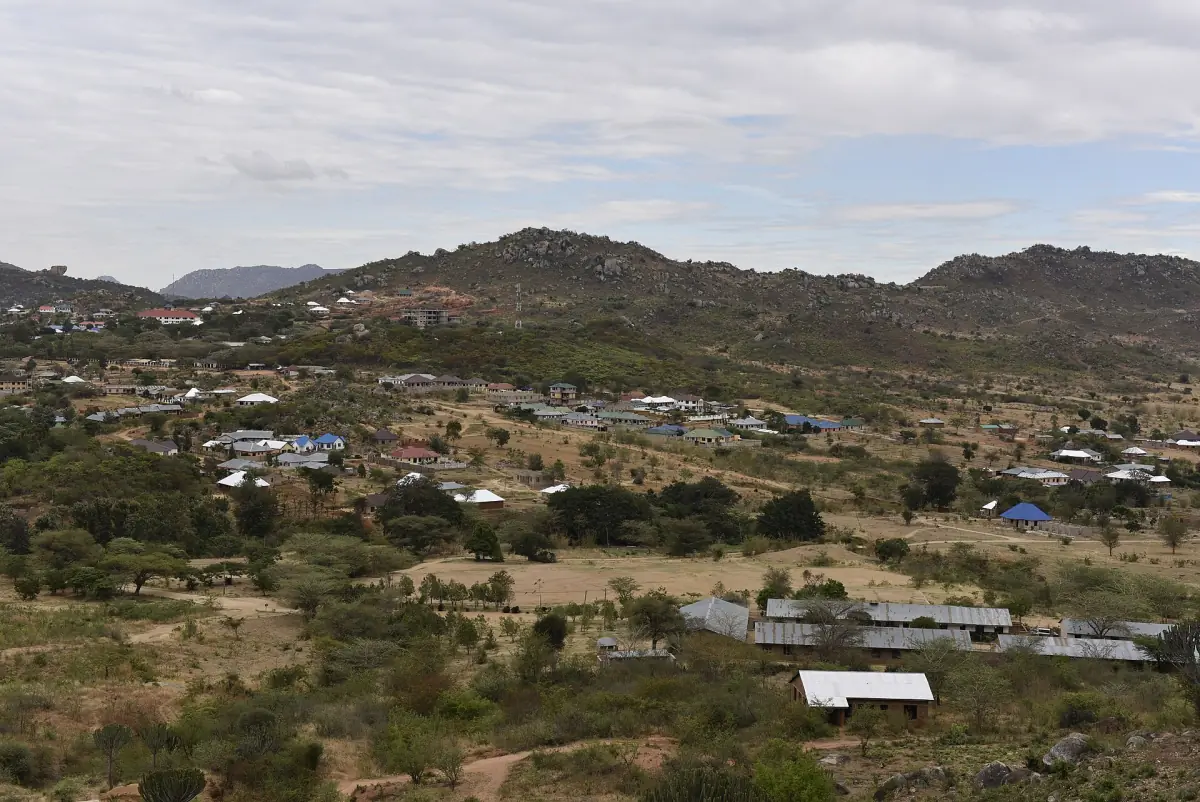
Protected areas change shape, and the edge of Ruaha has been a point of conflict. A case about a boundary adjustment was filed at the East African Court of Justice on 19 December 2023 (Reference 46 of 2023). The applicants claim the adjustment was unlawful and that compensation is missing. These are the applicants' claims, not findings of a court.
For a visitor, the practical point is small. The park is open all year, gates close at 18:00, and you enter through your operator or at the entry points as usual. For fees and entry rules, see Ruaha park fees. For the animals that made the area worth protecting, see the lions and wild dogs pages.
More about Ruaha
Pages that go with the history.
Ruaha history: frequently asked questions
When did Ruaha become a national park?
In 1964, when the southern part of the earlier game reserve was turned into the national park. A southeastern addition followed in 1974.
What was Ruaha before it was a national park?
It was a game reserve. The Saba Game Reserve dates from 1910 under German rule, and the British extended and renamed it in 1946.
What does the name Ruaha mean?
It is usually explained as coming from the Hehe word Ruvaha, meaning river.
What is Usangu?
Usangu is the wetland and catchment area upstream of the park. Its wetlands were added to the protected area in 2008, and its water use is tied to the flow of the Great Ruaha River.
Has the Great Ruaha River ever stopped flowing?
Yes. In December 1993 it stopped for about a month along a stretch of roughly 75 km between Ihefu and Mtera. It is not permanently dry, but the flow is sensitive to upstream water use.